Related bands: Clean, Counterfit, Don't Mess With Texas, Lunar, Minimum System Requirements, Nikad, Radio Free Isaac, Razlog za, Senata Fox
FFO: Farside, Quicksand, Shift, Shutter To Think
Latest was a short-lived post-hardcore band from Zagreb, Croatia, active between 1999 and 2000. Featuring members of key local acts like Clean, Nikad, and Don’t Mess With Texas, the project was a brief but deliberate homage to the mid-'90s wave of emotive post-hardcore, echoing the sounds of Dischord Records, Quicksand, and Farside, with a touch of alt-rock melody.
After playing a handful of shows, they released their sole EP Platform Shoes, initially as a promotional CD, and later on cassette through Čakovec’s DIY label Lifeline Records.
To be blunt: it’s solid, it flows well, but it’s not exactly game-changing. It sounds like what it is, friends from other bands trying something new before disappearing into other projects. The production is clean, the songs are listenable, and while nothing really jumps out, it’s the kind of EP you put on during a slow afternoon when you’re tired of everything else.
It's not legendary, it’s not forgotten, it’s just there. And sometimes, that’s fine.
------
Latest je bio kratkotrajni post-hardcore bend iz Zagreba, Hrvatska, aktivan između 1999. i 2000. godine. U sastavu su bili članovi ključnih lokalnih bendova poput Clean, Nikad i Don’t Mess With Texas, a projekat je predstavljao kratak, ali promišljen omaž talasu emotivnog post-hardcora sredinom devedesetih, uz zvučne odjeke izdavačke kuće Dischord Records, bendova Quicksand i Farside, te sa dozom alt-rock melodije.
Nakon nekoliko odsviranih koncerata, izdali su svoj jedini EP Platform Shoes, prvo kao promotivni CD, a kasnije i na kaseti preko čakovečkog DIY labela Lifeline Records.
Da budemo direktni: solidno je, teče glatko, ali nije ništa revolucionarno. Zvuči tačno onako kako jeste — prijatelji iz drugih bendova koji su htjeli isprobati nešto novo prije nego što su se razišli u druge projekte. Produkcija je čista, pjesme se lako slušaju, a iako se ništa posebno ne izdvaja, to je onaj tip EP-ja koji pustiš tokom sporog poslijepodneva, kad ti je svega drugog preko glave.
Nije legendarno, nije ni zaboravljeno — jednostavno postoji. I ponekad, to je sasvim dovoljno.
PROMOTIONAL CD
LIFELINE'S TAPE VERSION
Thanks for Igor of GuranjeSLitice for uploading the full EP.
FFO: Rolo Tomassi, Naked City, Me and Him Call It Us, Mara'akate, Rep Seki, Usurp Synapse, Honeywell
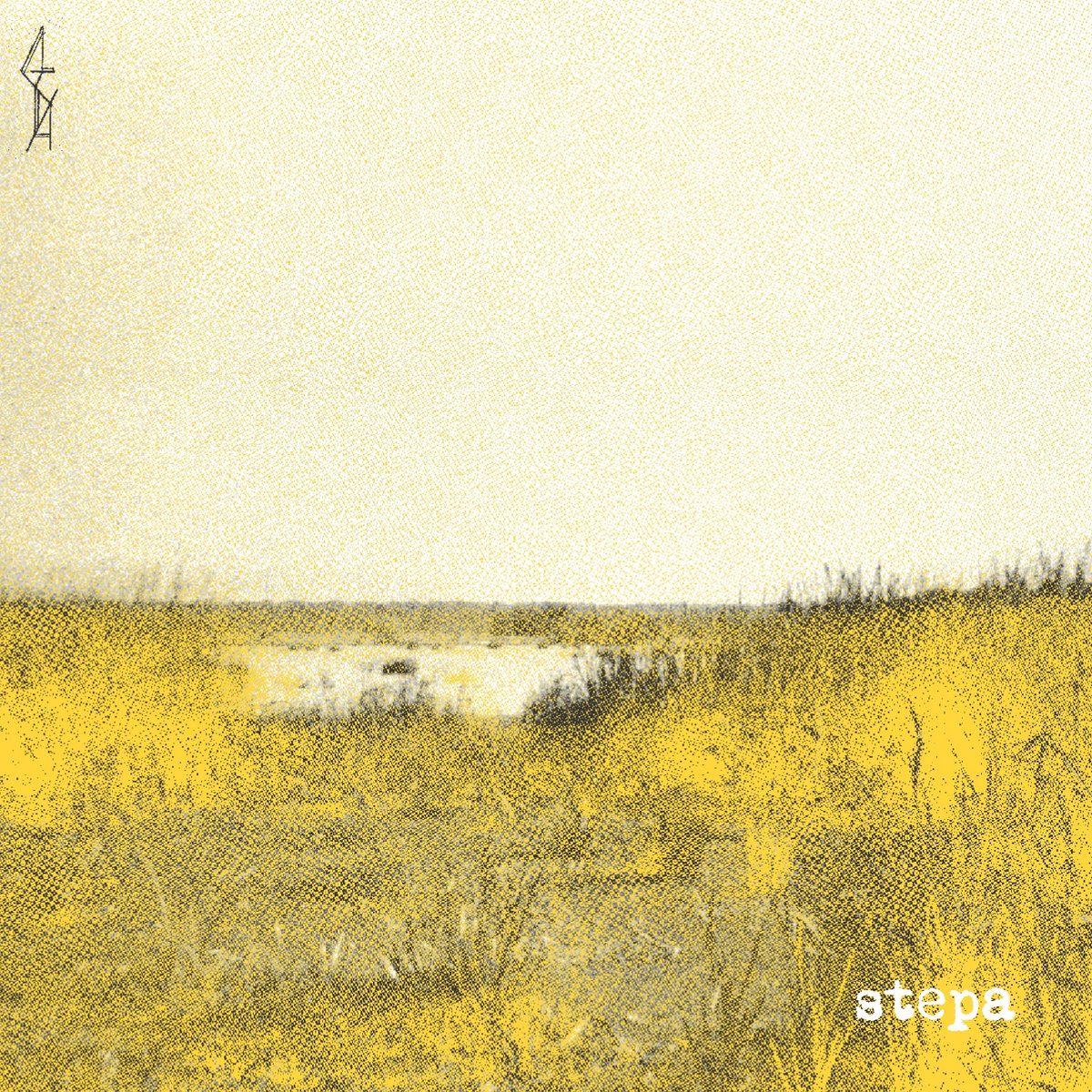
Every once in a while, a band appears briefly and burns out fast, leaving behind a single document of their existence so dense and chaotic it feels like a transmission from another realm. That band is Stepa.
Formed in 2020 in Novo Mesto, Slovenia, Stepa was a short-lived trio that only released one self-titled album, thirteen minutes of sheer dissonant fury. It was released on cassette via Quebec’s LeBlast Records, a fitting match given the label’s taste for sonic extremity.
Their style? Call it emoviolence. Call it grindcore. Call it whatever you want, but the result is a twelve-track onslaught where no song breaches the two-minute mark. The shortest, "Vrtača," clocks in at a mere 26 seconds, while the longest, "Hodnik," barely reaches two minutes but somehow feels massive.
This is music that doesn't beg for attention, it kicks the door down. Krempl’s guitar playing is like shards of broken math equations. Dissonant, fractured, and constantly mutating. Šiba's drumming is absurdly fast, channeling the relentless speed and stop-start chaos of bands like Honeywell or Usurp Synapse. And Želo’s vocals? Unhinged. It’s raw-throated desperation with zero restraint, like a flesh wound set to blast beats.
The highlight here is unquestionably "Hodnik", the closing instrumental. In a bold move, Stepa drops the vocals entirely and leans into dissonant chaos filtered through a start-stop rhythmic breakdown. It’s almost like the eye of the hurricane, if the hurricane had no eye. The mathy structures collapse into themselves and re-emerge, only to combust again. It’s unsettling, dynamic, and perfectly in line with what the genre’s more experimental edge they had to offer.
Stepa never stuck around to release a follow-up. No extensive touring. No cryptic new project hints. Just one record, some cassettes, and a whole lot of noise. But in those fifteen minutes, they delivered something Slovenia rarely sees: a band unafraid to go full chaos mode and leave it all in the wreckage.
------
S vremena na vreme pojavi se bend koji kratko zasvetli i brzo nestane, ostavivši iza sebe samo jedno izdanje: gusto, haotično i toliko posebno da zvuči kao da je stiglo iz nekog drugog sveta. Takva je bila Stepa.
Bend je nastao 2020. godine u Novom Mestu, Slovenija, i radio je kratko, tek dovoljno da snimi svoj jedini, istoimeni album. Trinaest minuta sirove energije i nesvakidašnjeg zvuka objavljeno je na kaseti preko kanadskog izdavača LeBlast Records iz Quebeca, poznatog po ljubavi prema DIY emo/screamo muzici.
Kako opisati njihov stil? Pa neko bi rekao emoviolence, neko grindcore, a istina je da je to dvanaest kratkih, žestokih pjesama, nijedna ne prelazi dve minute. Najkraća, "Vrtača", traje tek 26 sekundi, a najduža, "Hodnik", jedva dve minute, ali ipak ostavlja jak utisak.
Ovo je muzika koja ne traži pažnju, jer je ona jednostavno osvoji. Gitara Kremla oštro reže i stalno mijenja smjer, bubnjevi Šibe srljaju nezaustavljivim tempom, a vokal Žela donosi sirov i neispeglan naboj, kao da prenosi osećaj trenutka bez ikakvog filtera.
Poseban trenutak na albumu je "Hodnik", završna instrumentalna pjesma. Bez vokala, bend se prepušta igri ritma i disonantnih dionica koje se ruše i ponovo grade. Dinamično, nepredvidivo, i potpuno u skladu s njihovim eksperimentalnim pristupom.
Stepa nije imala nastavak priče, nije bilo novih izdanja, velikih turneja ili tajanstvenih najava. Samo jedan album, nekoliko kaseta i puno buke. Ipak, u tih petnaestak minuta ostavili su trag nečim što se kod nas rijetko čuje: bendom koji se usudio pustiti da ga haos vodi do kraja.
Members: Milica (vocals), Igor (guitar), Aljoša (guitar), Bojan (bass), Maksim (drums)
Related bands: Otih, Rahela Ferari
Labels: Good Samaritan Records, Castrato Records
FFO: Amygdala, Habak, Detestation, .fuckingcom, Cady, Drei Affen
Deer In The Headlights was a five-piece neocrust/screamo band from Banja Luka, Bosnia & Herzegovina. The band described themselves as “blackened crust.” It was formed by members of the defunct crust punk band Rahela Ferari (named after the Serbian actress).
Their first appearance was a 2010 split with Reflection of Internal Rain, from which some tracks were re-used on their demo EP a year later. Due to a dispute between bands, Deer In The Headlights eventually re-recorded their side in 2015.
In 2012, they dropped a 7" split with Croatian hardcore band Black Sails, supported by Good Samaritan Records. In 2013, they appeared on Dog Knights Productions’ Orchid Tribute Compilation, covering “36 Day Syndrome.”
Their self-titled debut EP was released in 2014 via Good Samaritan and Boslevan Records, followed by their second full-length, Mental Health, in 2016.
The band toured extensively across Europe during the 2010s, playing alongside regional peers such as Eaglehaslanded, Ponor, and Mališa Bahat, as well as international acts like Amygdala. They've performed at Fluff Fest a couple of times. After a long active period, the band eventually went on hiatus.
“Lately we’re trying to make a difference but it’s really hard because people are not so motivated. They’re not aiming at something bigger. In general, speaking about hardcore, there isn’t even a scene in Bosnia or the city where I live in. People are just trying to be mediocre and live their daily lives without expressing their full potential... but I guess that’s also because they don’t have money, which is their main concern”, said the vocalist Milicafor the DIY Conspiracy interview.
The band’s sociopolitical stance ran deep, inspired by both older anti-nationalist DIY efforts and the lived experience of post-war Bosnia.
“Luckily, people in my band are not that young so they are a great source of information to me because of their experience. They grew up in the old country of Yugoslavia and they have these experiences that we (the young people) can’t have... And definitely, people should unite and tear down the walls, they should push each other and join in some kind of force using their potential.”
“In some aspects, we see that happening. There are a lot of shows and connection between people from neighbouring countries, there are also festivals like Monte Paradiso in Croatia, and everything’s easier in general because of the internet. But of course, my view is kind of pessimistic, because the change I see is very slow... at your place everything’s kinda stagnating. That’s really frustrating.”
Despite this, Milica emphasized how vital it was to stay active and not let cynicism get in the way of purpose.
“The fact that we’re playing all these shows and making music is very important to us. A lot of people already know us and know what we’re doing. We shouldn’t glorify the people who are active in the scene or play in a band but to know for what the band is standing for and the ideas behind it. The way they’re doing things — like the fact that we’re a DIY band — most of the people are so away from the concept of making things and music just for the sake of solidarity. I think there’s no other way, especially for Balkan countries. We just have to work together.”
As for the state of things in Bosnia, especially in Republika Srpska (the Serbian entity), she didn’t hold back.
“Bosnia is a federation of two entities, the Federation of Bosnia and Herzegovina on one hand, and the Serbian part, Republika Srpska, on the other. In the Serbian part, there’s more conservative and aggressive politics prevailing... especially among young people — there are some really violent ones. There’s more money in the Federation and more things are finally happening there. Foreign people are coming more often, and the place is more open to new ideas.”
“What is tearing the state apart is the politicians. Those of the Serbian part are too much toward Serbia and Belgrade instead of focusing inward, on the people living here, like in Banja Luka... and the biggest problem is definitely corruption.”
After the band’s break, Igor (the drummer) started Otih, a post-punk/darkwave project during the COVID-19 pandemic, releasing a demo and a 7". However, there hasn’t been any update on a Deer In The Headlights reunion... at least, not yet.
When it comes to their music, I can't exactly pick a highlight from each release, solely because the entire discography is just too good. But what stands out to me is how it feels like a natural extension of their previous band, Rahela Ferari, gradually mutating into a more focused neocrust expression over the decade. Deer in the Headlights found a way to staple their pain and disillusionment into something tangible into art, especially in a place torn apart by two political entities. And i think their song 'OURS/THEIRS' says it best:
The nationalization of victims is a crime perpetuated by politicians. They thrive from a paranoid, delusional citizen, because being angry at your neighbor you forget you should be angry at them. Between 1992 and 1995 there was war in Bosnia that destroyed lives and families. The people living in Bosnia now are gravely affected by the consequences of that war. Instead of helping our people surpass the conflict by focusing on the future and teaching our children to look at the world with better eyes, the media powered by national politics still only serves as a tool for enraging people of different nations and religions against each other.
Не постоје наше и њихове жртве. Жртве су жртве.
(There are no such things as our victims and their victims. Victims are victims.)
It's the chaos, the tension, and the unresolved trauma that leaves you stunned, unable to move. Just like a deer in the headlights.
------
Deer In The Headlights je bio petočlani neocrust/screamo bend iz Banjaluke, Bosna i Hercegovina. Sami su sebe opisivali kao blackened crust. Nastali su od članova ugašenog crust punk benda Rahela Ferari (nazvanog po srpskoj glumici).
Prvo su se pojavili 2010. godine na split izdanju sa Reflection of Internal Rain, odakle su neke pesme kasnije prebačene na njihov demo EP iz 2011. Zbog nesuglasica među bendovima, Deer In The Headlights su svoju stranu ponovo snimili 2015.
Godine 2012. izdali su 7" split sa hrvatskim hardcore bendom Black Sails, u saradnji sa Good Samaritan Records. Učestvovali su 2013. na Orchid Tribute kompilaciji Dog Knights Productions-a, obradivši pesmu "36 Day Syndrome".
Debi EP Deer In The Headlights objavili su 2014. preko Good Samaritan i Boslevan Records, a drugi album Mental Health izašao je 2016. Bend je tokom 2010-ih intenzivno svirao po Evropi, delio binu sa regionalnim bendovima kao što su Eaglehaslanded, Ponor i Mališa Bahat, ali i sa međunarodnim imenima poput Amygdala. Nastupili su nekoliko puta na Fluff Festu. Nakon dužeg perioda aktivnosti, bend je otišao na pauzu.
Pevačica Milica je u intervjuu za DIY Conspiracy izjavila:
„U poslednje vreme pokušavamo da napravimo neku razliku, ali to je zaista teško jer ljudi nisu dovoljno motivisani. Ne teže ka nečemu većem. Generalno, što se hardkora tiče, u Bosni, pa ni u gradu gde ja živim, zapravo i ne postoji scena. Ljudi su prosto zadovoljni da ostanu prosečni i da vode svoje svakodnevne živote bez izražavanja svog punog potencijala... ali pretpostavljam da je to i zato što nemaju para, što im je glavna briga.“
Njihov društveno-politički stav bio je duboko ukorenjen, inspirisan starijim antinacionalističkim DIY naporima, ali i životnim iskustvom posleratne Bosne:
„Srećom, ljudi iz mog benda nisu toliko mladi, pa su mi oni veliki izvor informacija zahvaljujući svom iskustvu. Odrasli su u staroj zemlji, Jugoslaviji, i imaju ta iskustva koja mi mlađi ne možemo da imamo... I definitivno, ljudi bi trebalo da se ujedine i sruše zidove, da se guraju međusobno i udružuju u neku vrstu snage koristeći svoj potencijal.“
„U nekim aspektima to i viđamo. Ima dosta koncerata i povezivanja između ljudi iz susednih zemalja, postoje festivali poput Monte Paradisa u Hrvatskoj, i generalno je sve lakše zahvaljujući internetu. Ali naravno, moj pogled je pomalo pesimističan, jer su promene koje vidim veoma spore... kod vas sve nekako stagnira. To je baš frustrirajuće.“
Uprkos tome, Milica je naglasila koliko je važno ostati aktivan i ne dozvoliti cinizmu da uguši smisao:
„Činjenica da sviramo sve te svirke i pravimo muziku nama je jako bitna. Mnogi ljudi već znaju ko smo i šta radimo. Ne treba veličati ljude koji su aktivni u sceni ili sviraju u bendu, nego znati za šta se bend zalaže i koje ideje stoje iza toga. Način na koji se stvari rade — recimo to što smo mi DIY bend — većini ljudi je jako daleko od samog koncepta pravljenja muzike iz čiste solidarnosti. Mislim da za balkanske zemlje nema drugog puta. Prosto moramo da radimo zajedno.“
O stanju u Bosni, posebno u Republici Srpskoj, nije štedela reči:
„Bosna je federacija dva entiteta: Federacije Bosne i Hercegovine s jedne strane, i srpskog dela, Republike Srpske, s druge. U Republici Srpskoj preovlađuje konzervativnija i agresivnija politika... posebno među mladima — ima i dosta onih nasilnih. U Federaciji ima više para i konačno se dešava više stvari. Stranci sve češće dolaze i mesto je otvorenije za nove ideje.“
„Ono što uništava državu su političari. Oni iz Republike Srpske su previše okrenuti ka Srbiji i Beogradu, umesto da se fokusiraju na ljude koji ovde žive, kao u Banjaluci... a najveći problem je definitivno korupcija.“
Posle pauze, bubnjar Igor je tokom pandemije COVID-19 pokrenuo post-punk/darkwave projekat Otih, izdao demo i 7", ali za sada nema najava o povratku Deer In The Headlights-a.
Što se same muzike tiče, teško mi je da izdvojim vrhunac svakog izdanja — cela diskografija je jednostavno predobra. Ono što je posebno jeste što deluje kao prirodan nastavak onoga što su radili u Raheli Ferari, postepeno se preobražavajući u fokusiraniji neocrust izraz tokom decenije. Deer In The Headlights su uspeli da svoju bol i razočaranje pretvore u opipljivu umetnost, pogotovo u zemlji rastrgnutoj između dva politička entiteta. I mislim da njihova pesma "OURS/THEIRS" to najbolje kaže:
The nationalization of victims is a crime perpetuated by politicians. They thrive from a paranoid, delusional citizen, because being angry at your neighbor you forget you should be angry at them. Between 1992 and 1995 there was war in Bosnia that destroyed lives and families. The people living in Bosnia now are gravely affected by the consequences of that war. Instead of helping our people surpass the conflict by focusing on the future and teaching our children to look at the world with better eyes, the media powered by national politics still only serves as a tool for enraging people of different nations and religions against each other.
Не постоје наше и њихове жртве. Жртве су жртве.
Haos, tenzija i nerazrešena trauma ostavljaju vas zatečenima, nesposobnima da se pomerite. Baš kao jelen u farovima.